
Moving a business, whether it is a home-based operation, a small retail shop, or a growing company, can feel overwhelming when you picture boxes piling up and daily tasks grinding to a halt. The good news is that a relocation does not have to mean lost productivity or frustrated customers if you plan each phase with intention.
This guide walks through the practical decisions that keep your operations running smoothly before, during, and after a move. Whether you are shifting a home office, a workshop, or a full commercial space, these steps will help you avoid common pitfalls.
Building a Realistic Moving Timeline
The single biggest factor in a smooth relocation is giving yourself enough lead time to plan every detail instead of scrambling at the last minute. Start by mapping out a calendar that works backward from your target move-in date, marking milestones like lease signings, packing deadlines, and utility transfers. Many people underestimate how long sourcing help actually takes, especially during busy seasons when reputable apartment movers get booked out weeks in advance. Building in buffer time for delays, whether from weather, permits, or vendor schedules, prevents small setbacks from turning into major disruptions.
A realistic timeline also accounts for the emotional and physical toll of moving, which often gets overlooked in favor of logistics alone. Break the process into smaller weekly goals rather than one overwhelming to-do list, so progress feels manageable and measurable.
- Set a firm move date at least 6-8 weeks in advance
- Create a week-by-week checklist covering packing, vendor bookings, and address updates
- Confirm availability with movers early, especially during peak months
- Build in a buffer week for unexpected delays
Finding the Right New Space
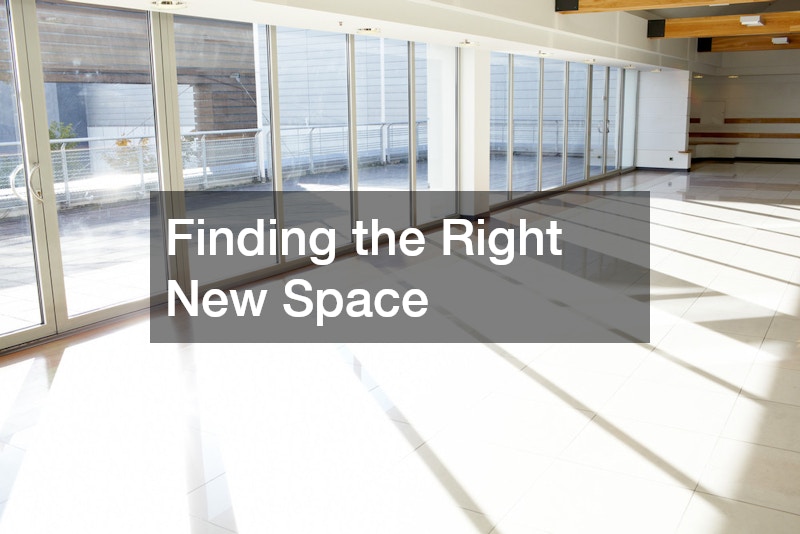
Before you can plan the logistics of a move, you need a destination that actually fits your operational needs. Touring an office for lease should involve more than just checking square footage; consider foot traffic, parking, storage capacity, and how the layout supports your day-to-day workflow. Walk the space at the time of day your business is busiest to see how noise, light, and traffic patterns actually play out.
Think through practical details too: Is there enough electrical capacity for your equipment? Does the HVAC system handle the occupancy you expect? Are loading docks or freight elevators available if you move inventory or heavy materials regularly?
Ask about lease flexibility as well, since a shorter initial term of one to two years can give you room to grow or adjust if the space does not work out as expected. Negotiating an early-termination clause or an expansion option can also protect you if your headcount or storage needs shift faster than anticipated.
It also helps to think beyond your immediate needs and consider where your operations might be in two or three years. A space that feels perfectly sized today could become cramped quickly if you plan to expand your team or inventory by 20%.
Look for flexible lease terms, such as expansion options, so you aren’t locked into a space you’ll quickly outgrow.
- Evaluate parking, accessibility, and delivery access for daily operations — check loading dock size, truck turnaround space, and peak-hour traffic patterns
- Ask about maintenance responsibilities before signing, including HVAC, roof repairs, and who covers snow removal or landscaping
- Consider proximity to suppliers, clients, or your workforce, factoring in average commute times and shipping costs from the new location
- Review zoning rules if your business has specific operational needs, such as signage restrictions, noise limits, or permitted hours of operation
- Confirm the space can support required utility loads, like three-phase power for equipment or extra bandwidth for data-heavy operations
- Walk the site during different times of day to spot noise, security, or lighting issues that photos won’t reveal
Designing a Layout That Supports Productivity

Once you have secured a new location, the physical layout plays a huge role in whether your team can hit the ground running or spend weeks adjusting to an awkward floor plan. Bringing in commercial interior designers early in the process, even before the move date, allows you to plan workstations, storage, and traffic flow around how people actually work rather than retrofitting furniture after the fact. Good design also considers lighting, acoustics, and break areas, all of which affect focus and morale during a stressful transition period.
Thinking through the layout in advance also reduces costly changes down the line, since moving walls or rewiring after move-in is far more disruptive than planning ahead.
Managing Space Needs During the Transition
Relocations rarely happen in a single clean swap from old space to new space, which means you often need somewhere to store inventory, equipment, or furniture temporarily. A commercial tent rental can be a practical short-term solution for covered storage or even for hosting staff meetings and customer service on-site while permanent space is unavailable. This approach works especially well for businesses that need to keep serving customers even while boxes and equipment are in transit.
Temporary structures also give you flexibility if your move date shifts unexpectedly, since you are not locked into a rigid handoff between two fixed locations.
- Use temporary structures for overflow inventory or equipment
- Consider covered rentals for outdoor events or pop-up customer service
- Plan temporary setups with easy teardown in mind
- Confirm rental terms allow for date flexibility
Prioritizing Safety Systems in the New Location
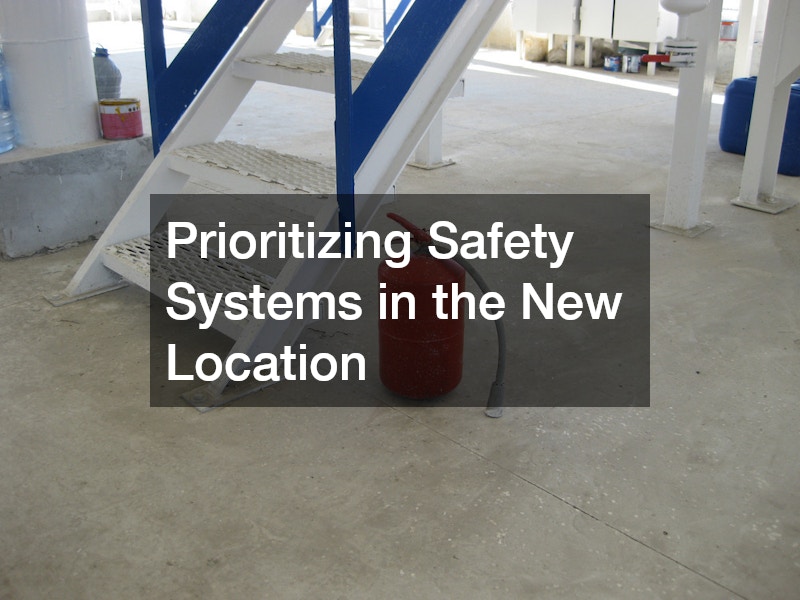
Before your team moves a single box into the new space, it is worth confirming that essential safety infrastructure is already in place and functioning correctly. Fire suppression systems should be inspected and certified well before move-in day, particularly if the previous tenant used the space differently than you plan to. A warehouse converted from light retail use, for example, may need upgraded sprinkler coverage or additional suppression zones to match denser storage or new equipment loads.
Beyond fire suppression, confirm that emergency exits are clearly marked, fire extinguishers are charged and within inspection dates, and alarm systems are tied into local monitoring services. Walk the space with a fire marshal or safety consultant if possible, and request documentation of the building’s last inspection date and any outstanding code violations.
Waiting until after the move to address safety gaps puts your team, inventory, and equipment at unnecessary risk. Retrofitting suppression systems around occupied racks or active workstations is far more disruptive and costly than handling it before the first pallet arrives.
Building code requirements vary by location and business type, so it is smart to request documentation of recent inspections rather than assuming everything meets current standards. Fire suppression systems, electrical panels, HVAC certifications, and emergency exit routes should all have inspection records dated within the past 12 months, since many jurisdictions require annual renewals for occupancy permits.
Ask the landlord or previous tenant for copies of fire marshal reports, sprinkler system certifications, and any citations or violations that were issued and later resolved. If documentation is missing or outdated, budget time and money for a third-party inspector to walk the space before your move-in date, since discovering a failed fire alarm system after employees have already relocated creates costly downtime.
It also helps to compare the space against OSHA guidelines relevant to your industry, particularly around egress width, fire extinguisher placement, and hazardous materials storage if your operations involve any. A facility that housed a retail business, for example, may need significant retrofitting to safely support manufacturing equipment or increased foot traffic.
Handling Food Service and Facility Infrastructure
If your business involves any food preparation, even something as simple as a small break room kitchen or a cafe counter, plumbing infrastructure deserves early attention. Commercial grease traps must be properly sized and installed to meet local health codes, and retrofitting them after opening day can mean unexpected closures. Getting a plumber to evaluate the space during your walkthrough, before signing a lease, can save significant time and money later.
Facility infrastructure issues like this are easy to overlook when you are focused on layout and design, but they often have the longest lead times to fix, so addressing them early keeps your timeline intact.
Moving Heavy Equipment and Structural Elements

Not every relocation involves simple furniture and file boxes; many businesses need to transport heavy machinery, industrial shelving, or oversized equipment that requires specialized handling. Commercial crane services are often necessary for lifting equipment onto upper floors or maneuvering items that will not fit through standard doorways or hallways. Attempting to move this kind of equipment without the right tools risks damage to the equipment itself and to the surrounding structure.
For larger relocations involving structural changes, permits, or utility hookups, working with experienced industrial contractors ensures the technical aspects of the move meet code and function properly from day one. These professionals can also flag potential issues, like inadequate electrical capacity or ventilation, before they become costly problems after you have already moved in.
- Get a walkthrough from equipment specialists before move day
- Confirm doorway, elevator, and floor weight limits in advance
- Schedule heavy lifts during off-hours to minimize disruption
- Verify permits are in place for any structural modifications
Keeping Your Brand Visible Throughout the Move
A relocation can create a gap in visibility if customers cannot find you or do not realize you have moved, so maintaining consistent branding matters just as much as the physical logistics. Updated signs at both your old and new locations help direct customers and reduce confusion during the transition period, especially if you are moving gradually over several weeks. Clear, well-placed signage also reassures existing customers that your business is stable and simply changing addresses rather than closing.
Vehicles are another visible touchpoint that should not be overlooked during a move. Refreshing commercial vehicle wraps with your new address or updated branding ensures that delivery trucks or service vehicles continue working as mobile advertising rather than pointing customers to an outdated location.
- Update signage at the old location with move announcements
- Install new exterior signs before your official opening date
- Refresh vehicle branding to reflect the new address
- Announce the move across your website and local listings simultaneously
Communicating the Move to Keep Operations Steady
Even the most well-planned physical move can create confusion if customers, vendors, and employees are not informed clearly and repeatedly. Start the outreach at least three to four weeks before the move date, then follow up on a set schedule rather than a single announcement, so the message has time to sink in.
Send updates through multiple channels, including email, social media, posted notices at the current location, and even direct calls to key accounts or vendors who depend on predictable service. Different audiences check different channels, so redundancy matters more than elegance here. A vendor might miss a social post but read an email, while a walk-in customer will only ever see the sign on your door.
Be specific in every message: give the exact closing date, reopening date, new address with a map or directions link, and any changes to hours, phone numbers, or delivery procedures. Vague timelines like “moving soon” invite more questions than they prevent. If there will be a transition period with limited service or a temporary location, say so plainly and explain what customers should expect during that window.
Repeat the announcement again once the move is complete, confirming that you’re open at the new location and operating normally. Overcommunicating during this period costs little and prevents the frustration that comes from customers showing up at a closed location or vendors sending shipments to an address you’ve already vacated.
Internally, make sure your team knows their specific responsibilities on move day, from packing schedules to who handles customer inquiries during any downtime. Assign a point person for each function—IT, facilities, customer service—so employees know exactly who to ask if something goes wrong. Include a rough timeline, such as “phones transfer at 9 a.m.” or “workstations go offline by noon,” so nobody is caught off guard.
A short, clear internal memo outlining the plan reduces confusion and helps everyone stay focused on their part of the process. Send it at least a week before the move, then follow up with a reminder 24 hours prior. Keep a printed copy on hand too, in case email or internal systems are temporarily unavailable during the transition.
- Notify customers at least two weeks before the move via email, website banner, and social media posts
- Update your address on Google Business Profile, Yelp, industry directories, and shipping/billing systems to avoid lost deliveries
- Assign clear move-day roles to staff members, such as IT setup, furniture placement, and inventory checks
- Designate a move-day team lead who can make quick decisions if unexpected issues arise
- Keep a point of contact available for last-minute questions from customers, vendors, or employees
- Send a follow-up confirmation once the move is complete, including new hours or any temporary service adjustments
Conclusion
Relocating your operations does not have to mean weeks of lost productivity or frustrated customers if you approach it with a clear plan and realistic expectations. Start by mapping your timeline, securing the right space, and addressing infrastructure needs early, then layer in branding and communication so nothing falls through the cracks. Taking these steps one at a time turns an overwhelming project into a manageable series of decisions you can control. Your next move is simply to start that checklist today, before deadlines start dictating your choices for you.