When evaluating the market value of a commercial property, investors, appraisers, and financial institutions primarily focus on two foundational metrics: Net Operating Income (NOI) and asset longevity. The higher your NOI and the longer your building’s structural components are projected to last, the lower the capitalization rate applied to your property, resulting in a significantly higher market valuation.
However, many property owners and facility managers fall into a dangerous trap. In an attempt to maximize short-term NOI, they drastically cut operational expenses by relying on cheap, ad-hoc contractors for reactive repairs rather than investing in strategic, preventative vendor partnerships. This approach is fundamentally flawed. Deferred maintenance does not save money; it merely shifts the financial burden to the future with compounding interest. When a roof is patched poorly, water intrusion degrades the underlying insulation and structural steel. When parking lot cracks are ignored, water undermines the sub-base, turning a simple surface repair into a massive excavation project. Ultimately, this degrades the property’s appraisal value and drives away premium tenants.
Boosting a property’s market value requires a paradigm shift. It requires a proactive approach to facility management where you partner with highly specialized vendors who act as extensions of your management team. These are the experts who enhance curb appeal, actively mitigate legal liabilities, lower your overall energy footprint, and preserve your most expensive structural assets. By shifting from a reactive “break-fix” mentality to a proactive “predict-and-prevent” strategy, you safeguard your equity and position your property at the top of the market. This comprehensive guide details the key operational areas where strategic vendor partnerships yield the highest return on investment.
Section 1: Optimize Curb Appeal and First-Impression Security
Re-Engineer Traffic Flow and Parking Surface Durability
The exterior of your property is the first physical interaction prospective tenants, customers, and investors have with your asset. If the parking lot is riddled with potholes and fading lines, it immediately signals deferred maintenance and poor management. Pavement is not just a static surface; it is an active asset that undergoes immense stress from heavy vehicle loads, UV radiation, thermal expansion, and chemical spills like engine oil.
Assess Subgrade and Surface Conditions
Before pouring money into superficial fixes, you must correctly diagnose the type of pavement failure you are experiencing.
-
Superficial wear: Fading color, minor surface raveling, and hairline cracks indicate that the asphalt binder is drying out due to UV exposure. This can usually be remedied with routine sealcoating.
-
Structural failure: Alligator cracking (interlocking web-like cracks), deep rutting in wheel paths, and sinkholes indicate that water has penetrated the surface and compromised the underlying aggregate sub-base.
When dealing with severe structural degradation, patching is a waste of capital. Instead, you need to execute a long-term pavement maintenance plan. This often involves a mill-and-overlay process, where the top layer of degraded material is ground away and replaced. To ensure the new surface is graded correctly for drainage and compacted to withstand heavy traffic, you must partner with a specialized team for commercial asphalt paving to handle the precise logistics. A well-executed paving project minimizes business disruption while restoring the property’s visual appeal and functional safety.
Modernize Access Control and Main Entrances
Once a visitor navigates your flawlessly maintained parking lot, their next interaction is the building’s perimeter security and main entrance. Traditional lock-and-key systems are obsolete, inherently insecure, and expensive to manage, especially when rekeying is required after an employee’s departure.
Streamline Pedestrian and Vehicular Entry
Modernizing perimeter security means striking a balance between rigorous access control and a frictionless visitor experience. You do not want to create a fortress that feels hostile to prospective clients. Instead, focus on intelligent hardware that operates invisibly until a threat is detected.
Implement Smart Access Hardware
Transitioning to cloud-based access control eliminates the physical vulnerabilities of master keys. By integrating a sophisticated commercial entry system, you can issue mobile credentials directly to an employee’s smartphone, utilize biometric scanners for highly secure zones, and deploy video intercoms for remote visitor management. This technology drastically reduces the need for expensive, round-the-clock, on-site security personnel. Furthermore, because these modern systems provide a permanent, auditable digital trail of who enters and exits the building, property owners can often negotiate lower liability insurance premiums, directly improving the property’s NOI.
Section 2: Implement Proactive Winter Mitigation and Safety Protocols
Mitigate Slip-and-Fall Liabilities with Pre-Storm Planning
Winter weather introduces one of the most unpredictable and financially devastating variables into facility management: the slip-and-fall lawsuit. A single accident on an icy walkway or poorly cleared loading dock can result in massive litigation, skyrocketing insurance premiums, and severe brand damage. Managing winter weather cannot be improvised; it requires military-level logistical planning long before the first freeze.
Draft a Zero-Tolerance Safety Policy
Property owners must establish a written, zero-tolerance policy regarding ice and snow accumulation. This policy should outline exact expectations for when clearing operations commence (e.g., at a trace amount of ice or one inch of snow) and prioritize critical zones like ADA ramps, emergency exits, and high-traffic pedestrian corridors. More importantly, this policy must mandate meticulous documentation. You need detailed logs of when areas were cleared, what materials were applied, and photographic evidence to defend against fraudulent injury claims.
Secure High-Capacity Equipment Partners
You cannot rely on a vendor who is overextended and underequipped. Months before the season starts, audit your vendor’s fleet capacity. Verify that they have dedicated heavy loaders for your site, backup vehicles in case of mechanical failure, and vast stockpiles of de-icing materials. When drafting your agreement for commercial snow removal, insist on service level agreements that guarantee specific response times based on meteorological thresholds. Do not settle for vague promises; mandate actionable metrics that protect your tenants and your liability.
Optimize Liquid Anti-Icing and Post-Storm Management
The traditional method of dumping rock salt onto accumulated snow is an outdated, reactive, and highly destructive practice. Excessive sodium chloride destroys concrete, kills landscaping, and corrodes the steel thresholds of your entryways.
Deploy Advanced Melt Technologies
Modern winter mitigation relies heavily on liquid anti-icing technology. By applying liquid brine solutions (often a mixture of magnesium chloride or calcium chloride) to dry pavement before a storm hits, you prevent snow and ice from chemically bonding to the asphalt or concrete. This proactive barrier makes mechanical clearing vastly more efficient and reduces overall chemical usage by up to 70%.
Establish Continuous Monitoring Protocols
The most dangerous ice often forms after the storm has passed. During the day, sunlight melts residual snow banks, sending water trickling across walkways. As the sun sets and temperatures plummet, this water refreezes into invisible, highly dangerous black ice. To combat this, elite vendors providing commercial snow and ice management utilize continuous site monitoring and ground-temperature sensors. They track shifting microclimates on your specific property to intercept and treat these dangerous freeze-thaw cycles before employees arrive the following morning.
Section 3: Fortify Your Building Envelope and Transition to Clean Power
Extend Roof Lifespans with Proactive Shielding
The roof of a commercial building is arguably its most critical, and most expensive, structural component. It serves as the primary shield against environmental degradation. When a roof fails, the resulting water intrusion destroys insulation, ruins tenant inventory, fosters black mold growth, and compromises structural steel.
Identify Hidden Envelope Vulnerabilities
Facility managers must stop viewing the roof as an “out of sight, out of mind” asset. Routine inspections should hunt for subtle vulnerabilities before they become catastrophic breaches.
-
Inspect flashing: Ensure the metal flashing around HVAC units, skylights, and parapet walls is properly sealed, as these seams are the most common entry points for water.
-
Check membrane integrity: Look for blistering, alligatoring, or deep punctures in flat roofing membranes (like TPO or EPDM) caused by dropped tools or severe hail.
-
Clear drainage pathways: Ensure scuppers and internal drains are entirely free of debris to prevent thousands of pounds of standing water from collapsing the structure.
Establish a Preventative Inspection Schedule
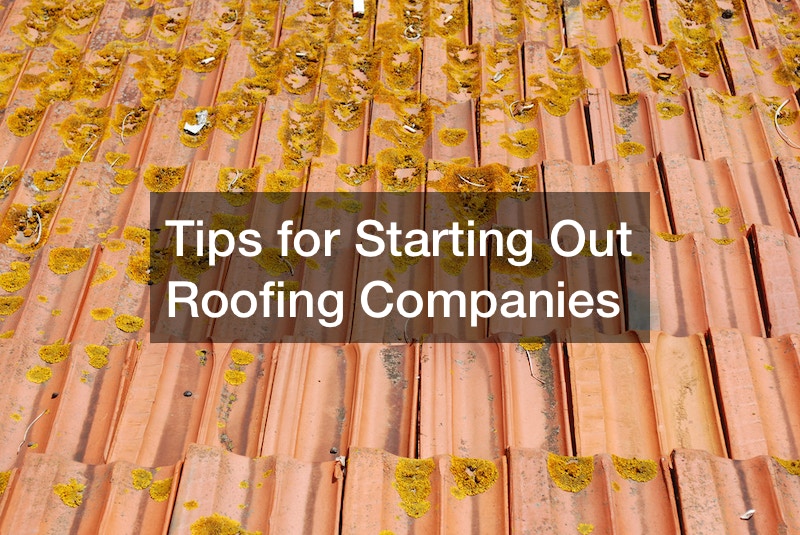
You should not wait for water to drip onto a tenant’s desk before calling for help. Establish a strict preventative maintenance schedule by hiring reputable local commercial roofers who understand the specific environmental stressors of your geographic region. These experts can perform advanced diagnostics, such as infrared thermal imaging, to detect hidden moisture trapped beneath the membrane. By utilizing these professionals for bi-annual structural evaluations, you can maximize your manufacturer warranties, perform precise, cost-effective localized repairs, and apply elastomeric coatings that extend the life of the asset by decades.
Capitalize on Sustainable Energy Assets
Once your roof is structurally sound and verified to handle additional load capacities, it transforms from a simple weather barrier into a massive, unutilized real estate asset. In today’s market, transitioning to clean power is no longer just an environmental initiative; it is a highly lucrative financial strategy that directly impacts property valuation.
Analyze Solar Feasibility and Tax Incentives
By installing photovoltaic panels, you effectively turn your roof into a localized power plant. This generates clean electricity that offsets the heavy energy consumption of your facility’s common areas, HVAC systems, and exterior lighting. Because this drastically lowers utility overhead—one of the largest line items on an operating budget—your net operating income increases, directly spiking the property’s capitalization rate.
Integrate On-Site Grid Alternatives
Navigating the transition to renewables requires expert consultation. You must evaluate various integration models for commercial solar energy, such as purchasing the system outright to capture federal tax credits and accelerated depreciation, or entering into a Power Purchase Agreement (PPA) where a third party installs and maintains the system while you buy the power at a locked-in, discounted rate. Furthermore, properties equipped with advanced green energy infrastructure command premium lease rates from corporate tenants who are actively seeking sustainable buildings to meet their own ESG (Environmental, Social, and Governance) mandates.
Section 4: Extend Asset Lifespans with Specialized Industrial Restoration
Preserve Architectural Metals and Exposed Machinery
Commercial properties are loaded with expensive metal assets. From exterior architectural elements like security gates, window mullions, and custom handrails to the heavy interior machinery that runs your HVAC and logistics operations, metal is everywhere. Unfortunately, metal is highly susceptible to environmental degradation, primarily in the form of oxidation and galvanic corrosion.
Combat Environmental Corrosion
When exterior metals are exposed to rain, UV radiation, fluctuating temperatures, and urban pollutants, traditional liquid paints rapidly fail. The paint film dries out, micro-cracks form, and moisture reaches the raw steel beneath. Rust quickly blooms, scaling the metal away and compromising its structural integrity. If left unchecked, what could have been a simple surface recoating turns into a massive, expensive structural replacement project.
Apply High-Durability Industrial Coatings
To preserve these assets permanently, you must abandon standard liquid paint and transition to advanced industrial coatings. By utilizing a specialized commercial powder coating service, metal components are electrostatically sprayed with a dry powder formulation and then baked in a high-temperature curing oven. This process causes the powder to melt and chemically cross-link into a solid, seamless polymer skin. The resulting finish is exponentially thicker, significantly more resistant to scratching, chipping, and chemical spills, and highly UV-stable. This process effectively weatherproofs your metal assets for decades, eliminating the endless cycle of scraping and repainting.
Maximize Heavy Machinery and Structural Component Performance
For properties that house heavy industrial manufacturing, specialized warehousing, or massive rooftop HVAC chillers, the underlying metal components must endure immense kinetic stress and friction.
Enhance Metal Material Properties
Standard steel or aluminum, straight from the mill, often lacks the required tensile strength or wear resistance to survive high-cycle, heavy-load environments. Gears strip, structural brackets warp under load, and high-stress mechanical shafts snap, leading to catastrophic operational downtime and massive emergency repair bills.
Utilize Specialized Thermal Processing
To ensure that custom structural supports and heavy machinery components do not fail prematurely, their microscopic crystalline structure must be altered. This is achieved by partnering with a certified commercial heat treating service. Through highly controlled processes like annealing, quenching, and tempering, metallurgists heat the steel to exact temperatures and cool it at specific rates. This process radically alters the mechanical properties of the metal, hardening the exterior to prevent friction wear while maintaining a tough, ductile core that absorbs heavy impacts without fracturing. By ensuring your critical facility components undergo this thermal processing, you practically eliminate premature mechanical failures and costly operational bottlenecks.
Section 5: Modernize Core Systems to Attract High-Value Tenants
Upgrade High-Capacity Delivery and Waste Systems
Behind the walls and beneath the concrete slab lies the plumbing infrastructure—the digestive system of your commercial property. Unlike a roof or a parking lot, plumbing degrades invisibly. Cast iron pipes from decades past corrode from the inside out, tree roots crush underground sewer lines, and mineral build-up chokes water pressure.
Optimize Water Efficiency and Pressure Dynamics
Outdated interior fixtures and hidden sub-slab leaks do more than just waste water; they slowly destroy your profit margins. A minor, undetected leak in a high-capacity commercial bathroom can waste tens of thousands of gallons a month, causing utility bills to hemorrhage capital. Furthermore, inconsistent water pressure can severely disrupt the operations of tenants relying on complex machinery, such as medical facilities, laboratories, or commercial kitchens.
Implement Industrial Diagnostics
You cannot manage what you cannot see. Proactive facility management requires leveraging advanced diagnostics to map and assess your subterranean infrastructure. Routine hydro-jetting, backflow prevention testing, and high-resolution video drain line inspections performed by certified commercial plumbing services are absolute necessities. These experts can snake cameras deep into your main sewer laterals to identify bellies in the pipe, root intrusions, or scale buildup before a catastrophic backup floods your first floor. Intervening early allows for trenchless pipe lining technologies that rehabilitate pipes from the inside, saving you the massive expense and disruption of tearing up your freshly paved parking lot or foundational slab.
Structure Asset Presentation for Premium Occupancy
Every physical upgrade detailed in this guide—from the fortified roof and solar arrays to the heavy-duty powder-coated railings and modernized plumbing infrastructure—culminates in one massive financial advantage: leverage at the negotiation table.
Align Property Modernization with Market Demand
High-value corporate tenants are extremely discerning. They are not merely looking for square footage; they are looking for a highly optimized operational environment that protects their workforce and their bottom line. A property that boasts superior curb appeal, ironclad winter safety records, energy-independent power grids, and flawlessly maintained core utilities stands in stark contrast to aging, poorly managed competitive spaces. Modern infrastructure transforms a property from a standard commodity into a highly sought-after, premium asset.
Optimize Lease Structuring and Tenant Retention
When you possess a deeply modernized building, you dictate the terms. You can leverage the newly established efficiencies during commercial leasing negotiations. Prospective tenants are highly motivated by predictable, lowered operational costs. You can mathematically demonstrate how your upgraded building envelope and solar integration will drastically lower their monthly utility bills, or how your modernized plumbing and HVAC systems eliminate disruptive maintenance closures. This documented operational superiority allows you to justify premium, long-term triple-net (NNN) lease structures, ensuring that you attract secure, credit-worthy tenants who view your property as a cornerstone of their own business success.
Conclusion: Maximizing Long-Term Asset Appraisals
The value of a commercial property is not determined by cosmetic band-aids or the temporary reduction of operational budgets. True, enduring property valuation is rooted in structural resilience, operational efficiency, and the proactive mitigation of physical and legal risks. By executing the phased upgrades detailed in this guide, you fundamentally shift your facility management strategy from a reactive burden to a proactive, revenue-generating engine.
When the time comes to refinance your asset, secure a new round of investor funding, or take the property to market, appraisers and institutional buyers look deeply past the fresh paint in the lobby. They meticulously examine the integrity of the building envelope, the lifecycle of the core utilities, the durability of the exterior surfaces, and the sophistication of your preventative maintenance logs. A property backed by rigorous, specialized vendor partnerships demonstrates supreme management competence. It proves that the asset is insulated against sudden, catastrophic capital expenditures.
The mandate for property owners and facility managers is clear. Do not wait for a structural failure to dictate your budget. Take immediate action by selecting just two asset classes highlighted in this guide to audit over the next ninety days. Establish long-term, strategic service agreements with elite vendors, protect the bones of your building, and secure the maximum valuation for your commercial real estate portfolio.