
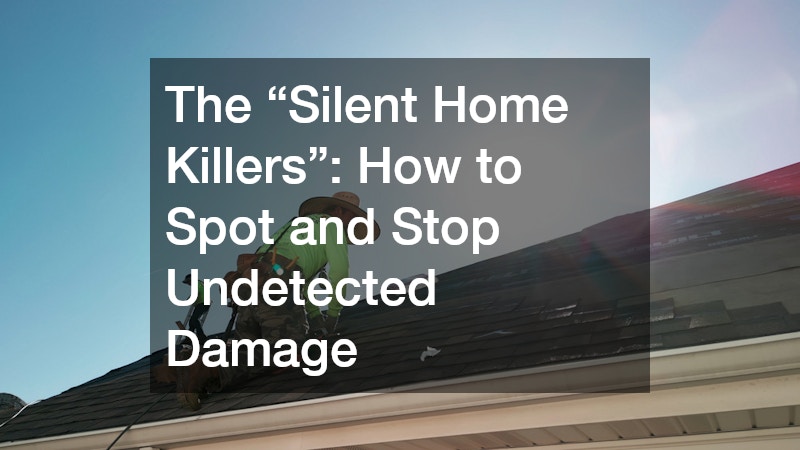
Your home is likely your largest financial investment, a sanctuary designed to protect you from the elements. Yet, even as you sleep soundly, silent forces may be actively working to undermine its structural integrity, health, safety, and market value. These are the “silent home killers”—maintenance issues that thrive in obscurity, developing slowly behind walls, under floors, and above ceilings until they erupt into full-blown, expensive emergencies.
Unlike a burst pipe or a shattered window, these killers give few obvious warnings. Mold, for instance, can grow undetected in damp, poorly ventilated areas, leading to severe health issues and costly repairs. Similarly, small cracks in the foundation might seem trivial, but they can signal deeper structural problems if left unaddressed. They require a proactive approach to detection. To keep your home safe, you must learn to think like the professionals—including experienced home builders and seasoned specialized contractors—to identify these subtle red flags before it is too late. This comprehensive guide will teach you how to spot the early warning signs of the most devastating silent killers and how to engage the right roofing companies, roof repair services, and technicians to neutralize them.
Regular inspections are essential; consider scheduling them at least once a year. Familiarize yourself with your home’s systems, such as plumbing and electrical, as small issues can snowball into major crises if ignored. Additionally, staying informed about common problems in your area—like pests or water damage—can further protect your investment. By being vigilant and proactive, you can maintain not just the value of your home, but also the well-being of your family. Remember, early intervention is key. Small investments in maintenance can save you from high costs in the future, ensuring your home remains a safe, comfortable haven.
The Menace Above – Roof and Chimney Decay

The roof is your home’s primary shield. When it fails, even microscopically, it allows water to enter, initiating a domino effect of rot, mold, and structural failure. Water damage from above is the single most common “silent killer” of residential properties. Regular maintenance is crucial to ensure the longevity and effectiveness of your roof. Routine inspections can help identify potential issues before they develop into major problems. Look for signs of wear, such as missing shingles, leaks, or sagging areas. Additionally, keeping gutters clear of debris helps divert water away from the roof and foundation, further protecting your home from costly water damage. Investing time in maintenance not only preserves the structural integrity of your home but also enhances its value over time. Protecting your roof means ultimately safeguarding your entire living space.
1. The Subtleties of Roof Failure
Many homeowners assume they will see a drip from the ceiling when their roof leaks. In reality, that drip is the last stage of a long-festering problem. Water often penetrates the outer layer and is absorbed by the decking or travels along rafters before pooling and finally soaking through the drywall. Often, by the time leaks become visible, structural damage may already be significant. It’s important for homeowners to regularly inspect their roofs, especially after severe weather, to catch potential issues early. Early detection can save them from costly repairs and ensure the longevity of their home.
How to Spot It (Interior):
- Musty Odors in the Attic: If your attic smells earthy or moldy, moisture is present. Healthy attics should be dry and dusty.
- Warped or Stained Sheathing: On a rainy day, go into your attic with a flashlight. Look at the underside of the roof deck. Any dark staining, black mold growth, or actively wet spots mean your shield has been breached.
- Peeling paint near the ceiling: Water saturating the back of drywall will cause paint to lose adhesion long before the brown stain appears.
How to Spot It (Exterior):
While a full inspection requires getting on the roof, you can spot many issues from the ground using binoculars. Observing the roof from this vantage point allows you to identify missing shingles, debris accumulation, or signs of sagging that might indicate structural concerns. Additionally, you can look out for discoloration or algae growth, which can suggest moisture retention and potential leaks. Inspecting the gutters and downspouts from ground level can also reveal clogs or damage that need attention. It’s important to take note of any unusual wear or weathering patterns as they may provide insight into underlying problems. If you spot significant issues, consulting with a professional for a comprehensive roof inspection would be a wise next step.
- Cracked, Curling, or Cupping Shingles: Shingles should lie flat. If the edges are curling up or the center is cupping, they are nearing the end of their lifespan and are no longer sealing properly.
- Granule Loss: Look in your gutters or at the base of your downspouts. A heavy accumulation of colored granules means your shingles are losing their protective coating, leaving the asphalt core vulnerable to UV decay and cracking.
Taking Action:
When you spot these signs, do not wait. You need professional roof repair. Contact reputable roofing companies to conduct a full assessment. Minor issues like a few slipped shingles may only require a simple roof repair service. However, widespread systemic failure may indicate that your home is overdue for comprehensive roof repairs, or in extreme cases, a full flat roof replacement if you have low-slope sections.
The key to saving money is specificity. Instead of asking for a general “fix my roof,” seek out a specialized local roof repair service that can diagnose the exact entry point—often a failing flashing or a cracked pipe boot—and provide targeted roof repair services that extend the life of your entire system.
2. The Masonry Menace: Chimney Decay
Chimneys are highly vulnerable because they are exposed to the elements on all four sides and experience extreme temperature fluctuations. A failing chimney can leak water into your walls, allow deadly gases into your home, or even become structurally unstable.
How to Spot It:
- Efflorescence: This is a fancy word for white, chalky salt deposits on the exterior brick. It occurs when water saturates the brick, dissolves internal salts, and evaporates on the surface. It is a definitive sign of water intrusion.
- Cracked Chimney Crown: The concrete slab at the very top of the chimney is the “crown.” If it is cracked, water will pour directly into the internal structure of the chimney, rotting the mortar from the inside out.
- Rusted Flashing: The metal transition between the chimney and the roof is a notorious leak point. If you see rust streaks on the brick or the surrounding shingles, the seal is broken.
Taking Action:
Chimney issues are specialized and dangerous. Do not attempt a DIY fix with hardware store caulk. You need a professional assessment for chimney repair. A certified chimney sweep or masonry specialist can determine if the problem is cosmetic, structural, or a venting hazard. Addressing chimney repair early can prevent water damage from destroying the surrounding roof deck and interior walls.
The Threat Within – Plumbing Leaks and Blockages

While roofing issues attack from the outside, your plumbing system can destroy your home from within. Slow, unseen leaks are devastating because they can continue for months, rotting subfloors, destroying cabinetry, and fostering dangerous mold.
3. The Slow Drip Behind the Wall
Most people think of plumbing emergencies as spectacular burst pipes. But the real “killers” are the pinhole leaks in supply lines or slow seepage from drain joints hidden inside wall cavities.
How to Spot It:
- The Water Meter Test: This is the most effective way to detect a silent leak. Turn off absolutely every water-using appliance in your home (faucets, ice maker, washing machine, irrigation). Go locate your water meter and write down the reading exactly. Wait two hours without using any water, then check the meter again. If the numbers have moved, you have a leak.
- Unexplained Spikes in Water Bills: Keep a log of your monthly water usage. If your bill jumps significantly without a change in your household habits (e.g., guests staying over, filling a pool), a silent leak is the most likely culprit.
- Warped Baseboards or Buckling Floors: Wooden baseboards and flooring are very sensitive to moisture. If a baseboard is pulling away from the wall or if your hardwood floors are beginning to “cup” (edges higher than the center), there is water beneath them.
4. The Blockage That Backs Up Everything
A clogged drain seems like a minor inconvenience. However, systemic blockages deep within your main sewer line are a major threat. They can cause catastrophic sewage backups into your home, resulting in massive contamination and the need for specialized biohazard remediation.
How to Spot It:
- Multiple Clogged Fixtures: If your kitchen sink is slow, it’s a localized clog. If your kitchen sink, your bathroom shower, and your toilet are all draining slowly, the problem is in your main line.
- Gurgling Noises: When you flush a toilet, do you hear a gurgling sound coming from your shower drain or kitchen sink? This happens because air is being trapped in the lines by a main-line blockage.
- Sewage Smell from Drains: If you detect a persistent sewer gas smell inside your home, it means the water in your “P-traps” has evaporated or is being sucked out by negative pressure caused by a massive clog or venting issue.
Taking Action:
Localized clogs can often be handled with a plunger. However, if you suspect a main-line issue or have multiple slow drains, you need professional drain cleaning. Hydro-jetting or professional snaking can clear tree roots, grease buildup, and foreign objects that threaten to cause a catastrophic backup. Proactive drain cleaning is far cheaper than replacing contaminated drywall, flooring, and personal belongings.
The Environmental Hazards – Foundation and Air Quality
The final category of silent home killers attacks your home’s structure from the bottom up and poses direct risks to your physical health. Issues like poor ventilation, dampness, and hidden mold growth can compromise air quality, leading to respiratory problems. Additionally, structural damage from pests can weaken the integrity of your home, further threatening your well-being. Regular inspections and maintenance are crucial to prevent these hidden dangers. Addressing these issues promptly can help ensure a safe and healthy living environment for you and your family.
5. The Foundation’s Flaws
Your foundation supports the entire weight of your home. If it settles unevenly or is undermined by water, the structural consequences are devastating. Modern home builders use advanced techniques to ensure stability, but older homes—or those on volatile soil—are always at risk.
How to Spot It:
- Sticking Doors and Windows: When a foundation shifts, it pulls the home’s framing out of square. If doors that used to swing freely are suddenly sticking in their frames, or if windows are impossible to open, your foundation is likely moving.
- Stairstep Cracks in Brick: A vertical hairline crack in mortar might be simple settling. However, wide cracks that follow the “stairstep” pattern of the bricks indicate significant, active movement.
- Diagonal Cracks Above Door Frames: Look at the drywall above interior doors or windows. Diagonal cracks extending from the corners are a classic sign of foundation stress.
6. The Invisible Assault: Air Quality
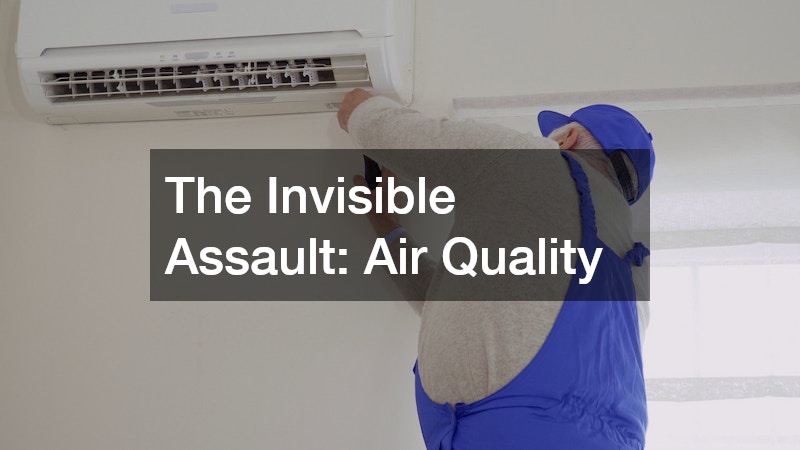
The air inside your home can be more polluted than the air outside. Mold spores, radon gas, and carbon monoxide can all thrive in a home without providing strong sensory warnings.
How to Spot It:
- Persistent Health Symptoms: If family members experience chronic headaches, respiratory issues, fatigue, or dizziness that seem to improve when they leave the house, the indoor air is likely contaminated.
- Radon Testing: Radon is an odorless, colorless, naturally occurring radioactive gas that is the second leading cause of lung cancer. It seeps in through foundation cracks. The only way to know if your home has dangerous levels is to perform a simple, low-cost radon test.
- Mold Inspection: If you have had any of the water issues described above (leaking roof, plumbing leak, chimney leak), you should assume you have mold. A musty smell is the primary warning sign. Professionals can perform air sampling to identify spore levels.
By understanding these subtle warning signs and partnering with specialized professionals—from roofing companies for proactive roof repairs to experts in drain cleaning—you can stop these silent threats before they destroy the sanctuary you have built.