
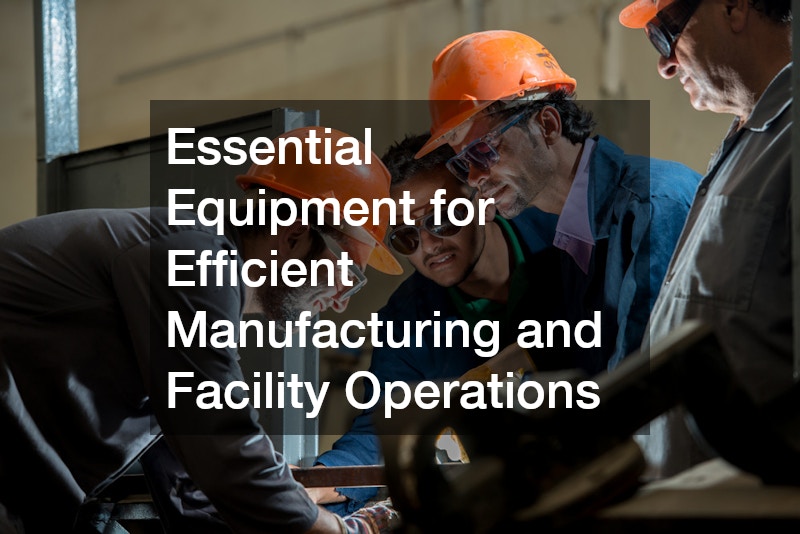
Modern manufacturing facilities rely on a wide range of specialized equipment to maintain efficiency, ensure product quality, and support daily operations. From production and packaging to infrastructure and utilities, every component plays a role in keeping a facility running smoothly. Understanding how these systems work together can help business owners, plant managers, and operators optimize performance and reduce costly downtime.
This guide explores the essential equipment that supports efficient manufacturing and facility operations, highlighting how each piece contributes to a well-functioning industrial environment.
Production and Material Formation
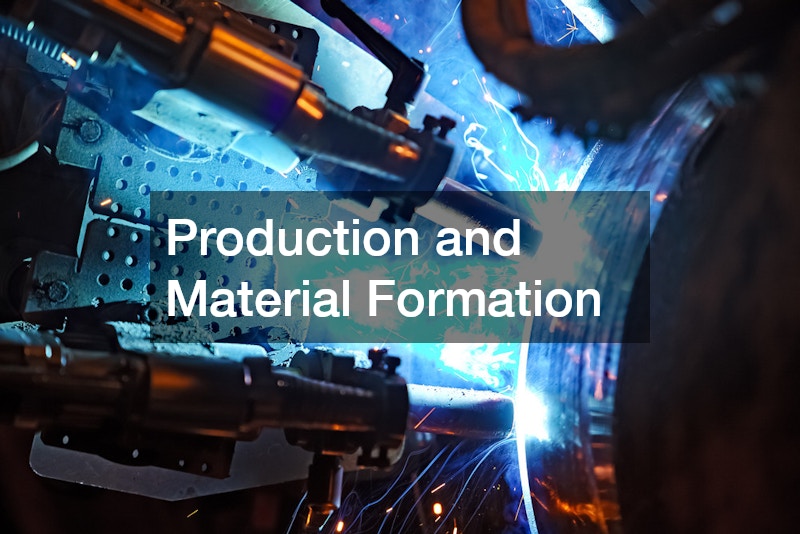
At the core of any manufacturing operation is the process of turning raw materials into usable components. In many industries, especially plastics and packaging, a plastic preform is a critical starting point. These intermediate products are molded into specific shapes before being expanded or finished into final containers or parts.
Using high-quality preforms ensures consistency in production and reduces material waste. Manufacturers that prioritize precision during this stage often experience fewer defects downstream, which improves overall efficiency. Proper storage and handling of these components are also essential to prevent contamination or deformation before they enter the next phase of production.
Beyond quality control, this stage also influences production speed and cost efficiency. Even minor inconsistencies can create ripple effects across the entire operation, leading to rework or downtime. Advanced molding technologies and automated inspection systems help ensure uniformity at scale. Facilities that invest in optimized workflows at this stage often see long-term gains in output, reduced scrap rates, and improved customer satisfaction.
Packaging and Output Systems
Once products are created, they must be packaged efficiently for distribution. A box making machine plays a key role in this stage by producing custom-sized packaging on demand. This reduces the need for excess inventory and allows facilities to adapt quickly to changing product dimensions.
Automated packaging systems help streamline operations by minimizing manual labor and increasing output speed. When integrated properly with upstream production equipment, these systems can significantly reduce bottlenecks and improve order fulfillment timelines. Consistency in packaging also enhances product protection during transit, reducing the likelihood of returns or damage.
Additionally, modern packaging solutions are increasingly focused on sustainability. Facilities can reduce material waste by right-sizing boxes and using recyclable materials. Smart packaging systems can also integrate labeling, tracking, and quality checks in a single workflow. This not only improves efficiency but also enhances traceability, which is critical for industries with strict compliance requirements.
Material Handling and Flow Control
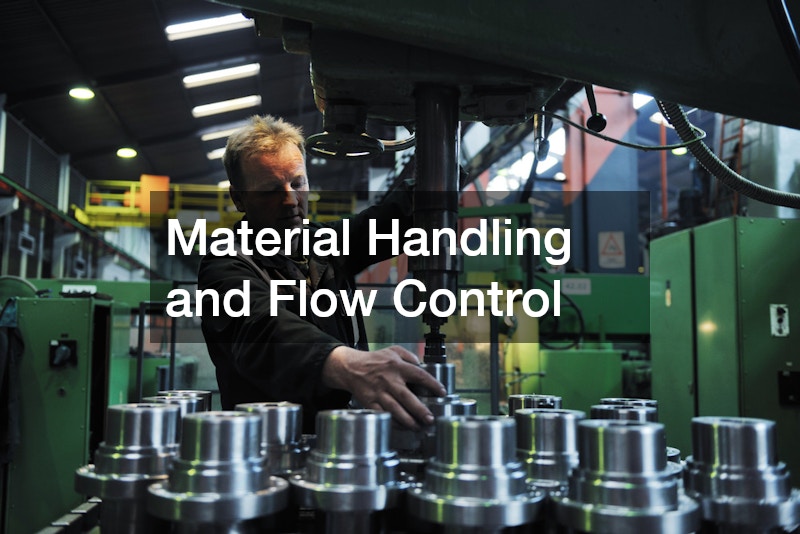
Efficient movement of materials throughout a facility is essential for maintaining productivity. A rotary feeder is commonly used to regulate the flow of bulk materials between different stages of production. By controlling the rate at which materials enter processing equipment, this system helps prevent overloading and ensures a steady workflow.
These feeders are especially useful in environments where powders, granules, or small components must be transferred with precision. When paired with automated controls, they contribute to a more predictable and stable production process. Reducing interruptions in material flow can lead to significant gains in efficiency over time.
In larger facilities, material handling systems often include conveyors, hoppers, and automated transfer points that work alongside feeders. Coordinating these systems is essential for minimizing delays and preventing material buildup. Facilities that invest in advanced monitoring tools can track flow rates and detect inefficiencies in real time, allowing for quick adjustments that keep production running smoothly.
Powering Equipment and Motion Systems
Many types of industrial machinery rely on reliable power sources to function effectively. An air motor is a popular choice in manufacturing environments due to its durability, simplicity, and ability to operate in harsh conditions. Unlike electric motors, air-driven systems are less susceptible to overheating and can be used safely in environments where flammable materials are present.
These motors are commonly found in tools, conveyors, and automated systems that require consistent motion. Their low maintenance requirements and long service life make them a cost-effective solution for many facilities. Integrating these systems into production lines can improve reliability and reduce downtime.
Another advantage is their adaptability. Air-powered systems can be easily adjusted for speed and torque, making them ideal for applications that require flexibility. They also perform well in extreme temperatures and dirty environments where electric systems may fail. This reliability makes them a preferred choice in industries such as manufacturing, automotive, and chemical processing.
Fuel and Energy Storage
Energy is a fundamental requirement in any manufacturing facility. Propane cylinders are widely used as a fuel source for heating, powering equipment, and supporting various industrial processes. They offer a portable and efficient energy solution, especially in facilities that may not have access to natural gas infrastructure.
Proper storage and handling of fuel systems are critical for safety and compliance. Facilities must implement strict guidelines to ensure cylinders are stored securely, inspected regularly, and used according to industry standards. When managed correctly, propane systems provide a dependable and versatile energy source that supports continuous operations.
Energy efficiency is also an important consideration. Facilities that monitor fuel usage and implement energy-saving strategies can significantly reduce operating costs. Integrating propane systems with other energy sources or backup systems can improve resilience and ensure operations continue even during disruptions or peak demand periods.
Equipment Protection and Longevity
Maintaining equipment in optimal condition is essential for long-term efficiency. A cast metal sealer is often used to protect machinery components from corrosion, wear, and environmental damage. Applying protective coatings to metal surfaces can extend the lifespan of equipment and reduce the need for frequent repairs or replacements.
Preventive maintenance strategies that include sealing and coating processes help facilities avoid unexpected breakdowns. By investing in equipment protection, manufacturers can maintain consistent performance and reduce operational costs over time.
In addition, regular inspections and maintenance schedules play a key role in identifying early signs of wear. Combining protective treatments with routine upkeep ensures that equipment remains reliable even under heavy use. Facilities that adopt a proactive approach to maintenance often experience fewer disruptions and improved overall productivity.
Flooring Preparation and Maintenance
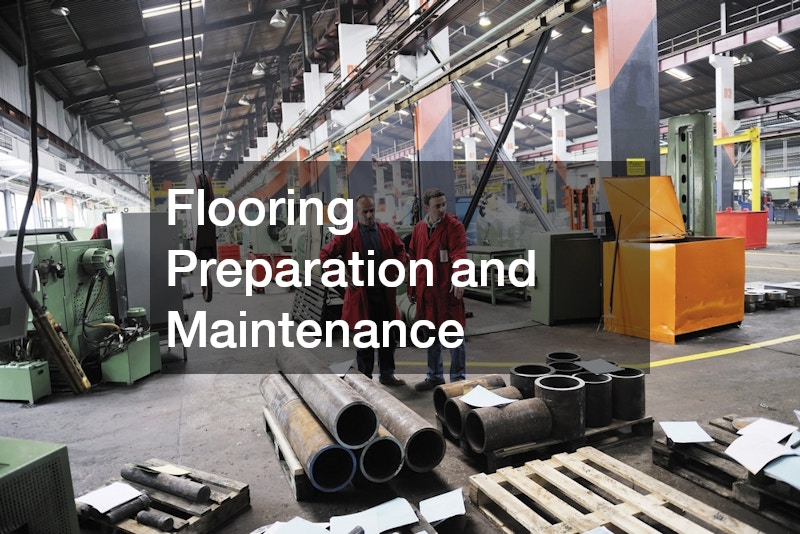
Industrial flooring plays a significant role in both safety and efficiency. Over time, surfaces can become uneven, worn, or contaminated, which can impact equipment performance and worker safety. A concrete grinder is commonly used to remove imperfections, coatings, and debris from floors, creating a smooth and level surface.
Once the surface is properly prepared, a concrete polisher can be used to achieve a durable and attractive finish. Polished concrete floors are easier to clean, more resistant to damage, and can improve overall lighting conditions within a facility by reflecting light more effectively.
Well-maintained flooring also contributes to better workflow efficiency. Smooth surfaces allow equipment such as forklifts and carts to move more easily, reducing wear and tear on both machinery and flooring. Investing in proper floor preparation and finishing helps create a safer, more efficient environment that supports daily operations.
Water Quality and System Efficiency
Water is used in many manufacturing processes, from cooling systems to cleaning operations. A water softener is essential for removing minerals such as calcium and magnesium that can cause scaling and damage equipment over time. Hard water can lead to reduced efficiency, increased maintenance costs, and shorter equipment lifespan.
By installing water treatment systems, facilities can improve the performance of boilers, cooling towers, and other water-dependent equipment. Consistent water quality also supports better product outcomes in processes where water is a critical component.
Beyond preventing scale buildup, proper water treatment also improves energy efficiency. Equipment that operates with clean water requires less energy to function, reducing overall consumption. Facilities that prioritize water quality often see improvements in both operational performance and long-term cost savings.
Connectivity and Data Infrastructure
As manufacturing continues to evolve, connectivity has become a vital part of facility operations. Fiber optic cables provide high-speed, reliable data transmission that supports automation, monitoring, and communication systems. These cables are essential for modern facilities that rely on real-time data to optimize performance and make informed decisions.
Advanced manufacturing systems often integrate sensors, control systems, and software platforms that require fast and stable connections. Investing in strong data infrastructure enables facilities to implement smart technologies, improve efficiency, and stay competitive in an increasingly digital landscape.
Reliable connectivity also supports remote monitoring and predictive analytics. Managers can track performance metrics, identify issues, and make adjustments from virtually anywhere. This level of visibility allows for faster decision-making and helps facilities respond quickly to changing conditions or unexpected challenges.
Integrating Systems for Maximum Efficiency
While each piece of equipment serves a specific purpose, the true power of a manufacturing facility lies in how these systems work together. Integration is key to achieving seamless operations and maximizing productivity. When production, packaging, material handling, and infrastructure systems are aligned, facilities can operate more efficiently and respond quickly to changing demands.
Automation and data-driven decision-making play a growing role in this integration. By connecting equipment through advanced control systems and monitoring tools, operators can identify inefficiencies, predict maintenance needs, and optimize workflows in real time.
Integration also improves communication across departments. When systems are connected, teams can share data and coordinate efforts more effectively. This leads to better planning, reduced downtime, and improved overall performance. Facilities that prioritize integration are better equipped to adapt and scale as needed.
Reducing Downtime and Improving Reliability
Downtime is one of the most significant challenges in manufacturing. Equipment failures, maintenance issues, and process disruptions can lead to lost productivity and increased costs. Investing in high-quality equipment and implementing proactive maintenance strategies can help minimize these risks.
Regular inspections, timely repairs, and proper training for operators are essential components of a reliable operation. Facilities that prioritize maintenance and invest in durable equipment often experience fewer disruptions and more consistent performance.
Incorporating predictive maintenance technologies further enhances reliability. Sensors and monitoring systems can detect anomalies before they become major issues. This proactive approach reduces unexpected failures and ensures that equipment operates at peak efficiency for longer periods.
Supporting Safety and Compliance

Safety is a top priority in any industrial environment. Properly maintained equipment, well-designed infrastructure, and adherence to safety standards are critical for protecting workers and ensuring compliance with regulations. From fuel storage to flooring conditions, every aspect of a facility must be managed with safety in mind.
Training programs, safety protocols, and regular audits help create a culture of safety within the workplace. By addressing potential hazards and maintaining equipment properly, facilities can reduce the risk of accidents and create a safer environment for employees.
Strong safety practices also contribute to operational efficiency. Fewer accidents mean less downtime, lower insurance costs, and improved employee morale. Facilities that prioritize safety often see better overall performance and long-term stability.
Planning for Future Growth
As businesses expand, their equipment and infrastructure must be able to scale accordingly. Investing in flexible and adaptable systems allows facilities to grow without major disruptions. Whether upgrading production lines, expanding packaging capabilities, or enhancing connectivity, planning for future needs is essential.
Modern manufacturing facilities that embrace innovation and invest in efficient equipment are better positioned to adapt to changing market demands. By staying ahead of technological advancements and continuously improving operations, businesses can maintain a competitive edge.
Strategic planning also includes workforce development and training. As new technologies are introduced, employees must be equipped with the skills needed to operate and maintain advanced systems. Facilities that invest in both technology and people are more likely to succeed in the long run.
Where Efficiency Meets Innovation
Efficient manufacturing isn’t just about having the right equipment—it’s about creating an environment where every system works in harmony. From the earliest stages of material formation to the final packaging and distribution process, each component contributes to a larger ecosystem designed for productivity and precision.
Facilities that invest in reliable tools, maintain their infrastructure, and embrace technological advancements are better equipped to handle challenges and seize new opportunities. Whether it’s optimizing workflows, improving safety, or enhancing data connectivity, the path to efficiency lies in thoughtful integration and continuous improvement.
Looking ahead, the most successful operations will be those that treat efficiency as an ongoing process rather than a one-time goal. By continuously evaluating systems, adopting new technologies, and refining processes, manufacturers can build facilities that evolve with industry demands. This forward-thinking mindset ensures long-term success in an increasingly competitive landscape.