
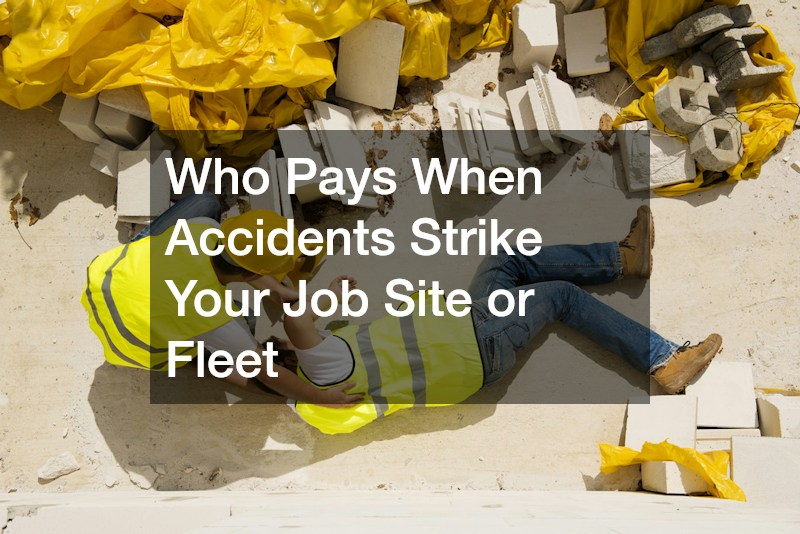
A single incident on a job site or a crash involving a company vehicle can upend finances, timelines, and peace of mind within seconds. Figuring out who actually pays for damages, medical bills, and repairs often feels more confusing than the accident itself, especially when multiple parties, contractors, and insurance policies are involved. Whether you are a property owner, a business operator, or someone who simply got caught up in a collision, understanding liability before disaster strikes puts you in a far stronger position. This guide breaks down the most common accident scenarios tied to construction sites and vehicle fleets, and explains who typically bears financial responsibility in each case.
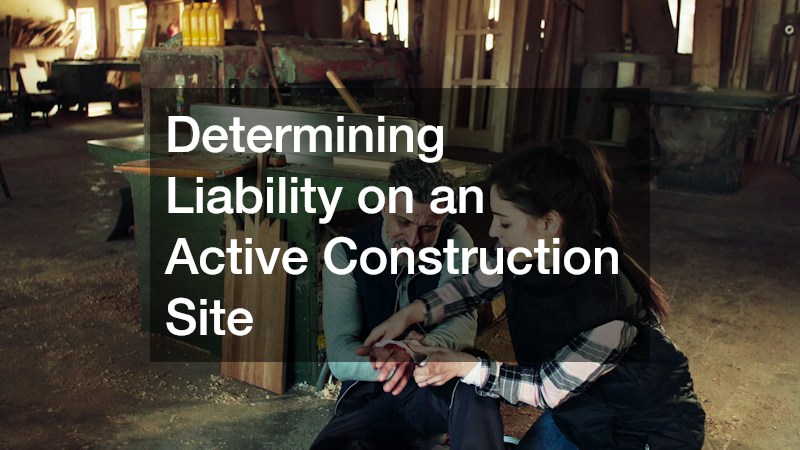
Determining Liability on an Active Construction Site
Construction sites involve layers of responsibility that can make liability determinations genuinely complicated. General contractors, subcontractors, equipment owners, property owners, and even material suppliers may all share some portion of fault depending on what caused the incident. A scaffolding collapse, for example, might trace back to a subcontractor’s faulty assembly, a rental company’s defective equipment, or a site supervisor who ignored inspection schedules. Insurance adjusters typically look at safety records, signage, training documentation, and whether proper protocols were followed before assigning blame.
They’ll also examine OSHA citations, daily site logs, subcontractor agreements that spell out indemnification clauses, and witness statements from crew members who saw how the incident unfolded. Timing matters too — adjusters want to know whether a hazard was reported days earlier and simply never addressed, since that kind of evidence can shift liability significantly. Multiple parties can end up sharing fault under comparative negligence rules, which means a contractor might be found 60% responsible while an equipment supplier absorbs the remaining 40%. That split directly affects how much each party’s insurer ultimately pays. When injuries are severe, many workers and bystanders choose to consult a construction accident lawyer to sort out which parties owe compensation and how much, since untangling overlapping contracts and insurance policies rarely has an obvious answer without legal guidance.
It is worth noting that liability is rarely a simple yes-or-no answer in these cases. A single site can have five or six entities with some degree of exposure, from the crane operator’s employer to the company that supplied scaffolding. General contractors, subcontractors, equipment lessors, material suppliers, and even site engineers can all share a piece of the blame depending on what caused the incident. The specific facts matter enormously. A fall from a faulty scaffold might point to the scaffolding company’s assembly work, while an electrical injury could trace back to a subcontractor’s wiring or a manufacturer’s defective equipment.
Investigators typically look at maintenance logs, safety inspection records, training documentation, and witness statements to piece together who had control over the hazard at the time of the accident. Multiple parties can also be found partially liable under comparative negligence rules, meaning the fault gets divided by percentage rather than assigned to a single party. For example, a general contractor might carry 40% of the liability for inadequate safety oversight, while a subcontractor bears 60% for improper equipment use. These percentages directly affect how damages get paid out, which is why insurers and attorneys fight hard over them. Getting a clear picture early on helps prevent disputes from dragging on for months. Prompt site documentation, photographs, and preserved equipment can make the difference between a quick settlement and years of litigation.
Covering Costs When Heavy Equipment Causes Damage
Heavy machinery like excavators, bulldozers, and backhoes pose unique risks because of their size, power, and the specialized training required to operate them safely. When a company brings in an excavator rental for a project, the rental agreement usually spells out who is responsible for damage, operator error, or third-party injury while the equipment is on site. Reading these contracts carefully before signing matters, since some agreements shift significant liability onto the renting business rather than the equipment provider.
Operator certification plays a major role in these claims as well. If an inexperienced or unlicensed worker was behind the controls when an accident occurred, that detail can shift liability toward the employer rather than the rental company.
- Check whether the rental agreement includes liability coverage or requires separate insurance
- Confirm the operator has proper certification for that specific machine
- Document the equipment’s condition with photos before and after use
- Ask whether the rental company performed recent maintenance checks
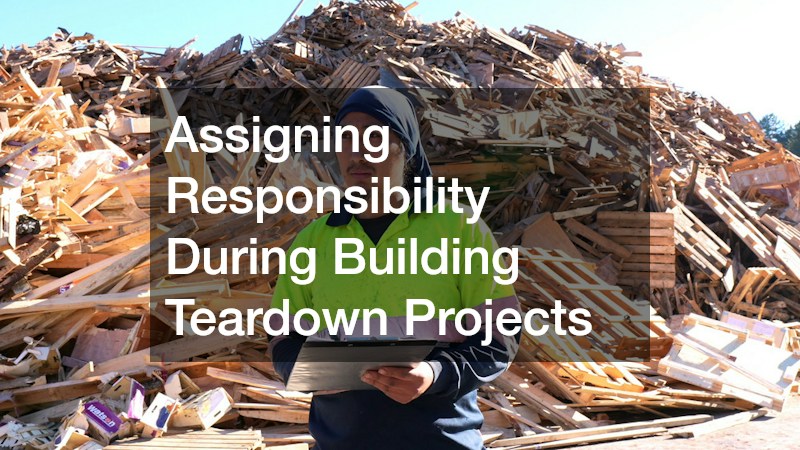
Assigning Responsibility During Building Teardown Projects
Demolition work carries elevated risk because of falling debris, structural collapse, and the heavy machinery involved in bringing down a structure safely. Reputable commercial demolition contractors carry substantial liability insurance precisely because the potential for property damage or injury is so high. When something goes wrong, investigators typically examine whether the crew followed engineering plans, used proper containment measures, and secured the surrounding area before work began.
Neighboring property owners sometimes get caught in the fallout when debris or vibration damages adjacent structures. In these situations, the demolition company’s insurance is usually the first place a claim gets filed, though disputes can arise if the property owner failed to disclose existing structural weaknesses beforehand.
Handling Injuries Linked to On-Site Amenities and Rentals
Job sites rely on temporary amenities to keep crews functioning through long shifts, and these conveniences come with their own liability considerations. A restroom trailer rental, for example, typically includes a service agreement that outlines maintenance responsibilities and liability if a unit tips, malfunctions, or causes a slip-and-fall injury. Most reputable rental companies carry their own insurance, but property owners should still confirm coverage details before signing a contract.
Slip-and-fall incidents near these amenities are more common than people expect, particularly in wet or icy conditions. Keeping walkways clear and reporting maintenance issues promptly can reduce the odds of a claim altogether.
Sorting Out Fault After a Company Vehicle Collision
When a fleet vehicle gets into a crash, liability often hinges on whether the driver was acting within the scope of their employment at the time. If so, the employer’s commercial auto policy generally covers damages, though the injured party may still need to prove negligence to recover full compensation. A car accident involving a company vehicle can also trigger a review of the driver’s training records, hours-of-service logs, and prior safety violations.
Dash cam footage and telematics data have become increasingly important in these disputes. Many fleet operators now install GPS and camera systems specifically because they speed up claims and reduce disagreements over fault.
- Confirm whether the driver was on a work-related task at the time of the crash
- Request telematics or dash cam data if available
- Check for prior citations or accident history tied to the vehicle or driver
- Review the company’s commercial auto insurance limits
Relocating Offices Without Creating New Liability
Business relocations introduce their own set of accident risks, from damaged equipment to injuries sustained while loading heavy furniture. Companies that hire professional corporate moving services typically transfer much of that liability to the moving company through signed contracts and valuation coverage. Still, it pays to confirm exactly what the mover’s policy covers, since some agreements only reimburse a fraction of an item’s actual value unless additional coverage is purchased.
Employees who are asked to help with a move using personal vehicles or without proper equipment can create liability gray areas for the employer. Clarifying expectations and providing proper moving equipment reduces the chance of an injury claim landing squarely on the business.
Getting Concrete Delivery and Pours Right
Large pours require precision, and that is where metered concrete services come into play, since they measure exact quantities and reduce waste or overpour incidents. If a delivery truck causes property damage while maneuvering on site, or if an improperly mixed batch leads to structural issues down the line, liability often falls on the supplier rather than the contractor who ordered the material. Contracts with concrete suppliers typically include clauses addressing defective product claims and delivery-related accidents.
Site conditions also play a role in these claims. If a contractor failed to prepare adequate access for a delivery truck and that led to a rollover or spill, some liability may shift back onto the project owner instead of the supplier.
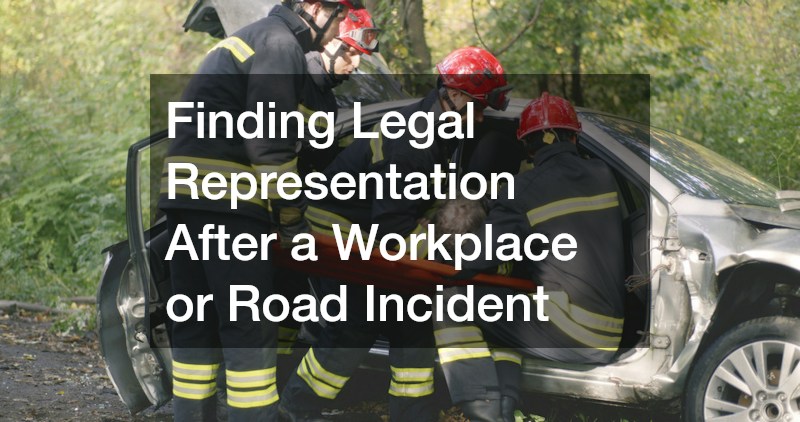
Finding Legal Representation After a Workplace or Road Incident
Choosing the right attorney can significantly affect the outcome of a claim, and the type of specialist you need depends heavily on how the accident happened. Different crash types raise different legal questions, so matching your case to the right expertise matters more than picking the first name that comes up in a search. Someone injured while riding to a job site might search for a motorcycle accident attorney, since these cases often involve unique questions about visibility, lane positioning, and comparative fault. Insurance adjusters frequently assume riders share blame simply because they were on two wheels, so an attorney familiar with these biases can push back with accident reconstruction evidence and witness statements. This matters even more when the rider was on company business, since a fleet policy and a personal policy may both come into play. Others dealing with a straightforward rear-end collision may simply look for the best car accident attorney in their area to handle negotiations with an insurance company. A car accident claim tied to work duties, however, can quickly become more complicated than a typical fender-bender once employer liability and vehicle ownership enter the picture. Medical bills, lost wages, and vehicle damage all need documentation, and a seasoned attorney knows how to value pain and suffering beyond what an initial settlement offer suggests. Before hiring anyone, ask about their experience with similar fleet or workplace cases, their fee structure, and whether they’ve taken comparable claims to trial rather than settling quietly. Many firms offer free consultations, which gives you a low-risk way to compare a few options before committing.
Most personal injury lawyers offer free initial consultations, giving you a no-risk opportunity to discuss the facts of your case, understand potential liability, and get a rough sense of what your claim might be worth before signing anything. Bring documentation to this meeting — incident reports, medical records, photos, and witness contact information all help an attorney evaluate your case more accurately. When comparing attorneys, ask specific questions rather than relying on general impressions. Find out how their contingency fee is structured (typically 25% to 40% of any settlement or verdict), whether that percentage changes if the case goes to trial, and who covers upfront costs like expert witnesses or court filing fees if you lose. Trial experience matters even if you expect to settle, since insurance companies often negotiate more seriously with lawyers known for taking cases to court. Ask how many similar workplace or fleet-accident cases the attorney has handled, what percentage settled versus went to trial, and request examples of past outcomes in comparable situations. Finally, consider responsiveness and communication style, since these cases can take months or years to resolve. A lawyer who explains things clearly and returns calls promptly will make the process far less stressful than one with an impressive resume but poor accessibility.
- Ask about experience with cases similar to yours, such as forklift accidents, multi-vehicle fleet collisions, or OSHA-related workplace injuries
- Request references or case outcomes from past clients, including settlement ranges or verdicts for comparable claims
- Clarify fee structures before signing an agreement — most injury attorneys work on contingency, typically 25-40% of any recovery
- Ask whether costs like filing fees, expert witnesses, or medical record requests come out of your settlement or are billed separately
- Confirm who will directly handle your case day to day, since larger firms sometimes hand cases off to paralegals or junior associates
- Find out how often you can expect updates and through what method — phone, email, or client portal
- Check if the attorney has trial experience, not just settlement experience, in case your case doesn’t resolve out of court
Reducing Risk Before the Next Incident Occurs
Prevention is always more cost-effective than litigation, and most accidents on job sites or within vehicle fleets trace back to a handful of recurring causes. Regular safety training, proper equipment maintenance, and clear communication between contractors and property owners address the majority of risk factors before they turn into claims. Businesses that build a culture of accountability tend to see fewer incidents and lower insurance premiums over time.
- Schedule routine safety audits for both equipment and vehicles
- Keep maintenance records organized and accessible
- Train employees on reporting procedures for near-misses
- Review insurance coverage annually to close any gaps
Accidents on job sites and within vehicle fleets rarely have a single, obvious answer when it comes to who pays. Contracts, insurance policies, and the specific circumstances of each incident all shape the final outcome, which is why documentation and prompt action matter so much. If you find yourself dealing with injuries, property damage, or a dispute over liability, consulting a qualified professional early can save significant time and stress. Taking a proactive approach today, whether through better contracts or stronger safety practices, is the clearest path to avoiding costly disputes tomorrow.