Efficient warehouse operations depend on more than just inventory management and staffing. The physical infrastructure of a facility plays a critical role in determining how smoothly goods move, how safely workers operate, and how effectively space is utilized. Among the most important components of this infrastructure is the storage system used to organize and support inventory.
Selecting the right storage solution can influence everything from picking speed to workplace safety. A poorly designed or unsuitable system can lead to congestion, inefficiencies, and even increased risk of accidents or product damage.
On the other hand, a well-planned setup enhances workflow, improves accessibility, and supports long-term operational goals.
Understanding Warehouse Storage Systems
Storage systems come in a variety of configurations, each designed to accommodate different types of inventory and operational requirements. A warehouse rack system typically consists of vertical frames and horizontal beams that support pallets or stored goods. These systems are engineered to maximize vertical space while maintaining accessibility for forklifts and personnel.
Different types of systems serve different purposes. Selective racking, for example, allows direct access to each pallet, making it ideal for operations that require frequent inventory rotation. Drive-in and drive-through systems are designed for high-density storage, allowing forklifts to enter the structure to place and retrieve goods. Other options, such as push-back or flow racks, are used for specific inventory management strategies like first-in, first-out (FIFO) or last-in, first-out (LIFO).
Choosing the right configuration depends on factors such as inventory type, turnover rate, and available space. Each system has its own advantages and limitations, and understanding these differences helps ensure that the selected solution aligns with operational goals.
Evaluating Space and Layout Efficiency
Space utilization is a critical consideration in warehouse design. Efficient use of available square footage can significantly impact storage capacity and workflow. A well-designed layout allows for smooth movement of goods, reduces congestion, and minimizes the time required to locate and retrieve items.
Vertical space is often underutilized in many facilities. Implementing taller storage systems can increase capacity without expanding the physical footprint of the warehouse. However, this requires careful planning to ensure that equipment such as forklifts, can safely reach higher levels.
A warehouse rack must be integrated into the overall layout of the facility, including aisles, loading zones, and staging areas. Proper spacing between racks ensures safe movement of equipment while maintaining accessibility to stored items. Layout planning should also consider future growth, allowing for adjustments as inventory needs evolve.
Load Capacity and Structural Integrity
One of the most important factors in selecting a storage system is its ability to safely support the intended load. Each system is designed with specific weight limits, and exceeding these limits can compromise structural integrity and create safety hazards.
Load capacity depends on several variables, including the type of materials being stored, the distribution of weight, and the configuration of the system. It is essential to understand both the static load (weight of stored goods) and the dynamic load (forces applied during loading and unloading).
Regular inspections and maintenance are also necessary to ensure that the system remains in good condition. Over time, wear and tear, accidental impacts, or improper usage can weaken components. Identifying and addressing issues early helps prevent accidents and maintain operational continuity.
Safety and Risk Considerations
Safety is a fundamental aspect of warehouse operations. Storage systems must be designed and maintained in a way that minimizes risks to workers and inventory. This includes ensuring that racks are properly installed, secured, and inspected on a regular basis.
Common risks associated with storage systems include forklift collisions, overloaded shelves, and improperly secured goods. Implementing protective measures such as guardrails, column protectors, and clear signage can help reduce the likelihood of accidents. Training employees on proper handling techniques and safety protocols is also essential.
A warehouse rack should comply with relevant safety standards and regulations. Adhering to these guidelines not only helps prevent accidents but also supports compliance with workplace safety requirements. Regular audits and inspections can further enhance safety by identifying potential hazards before they become serious issues.
Scalability and Future Growth
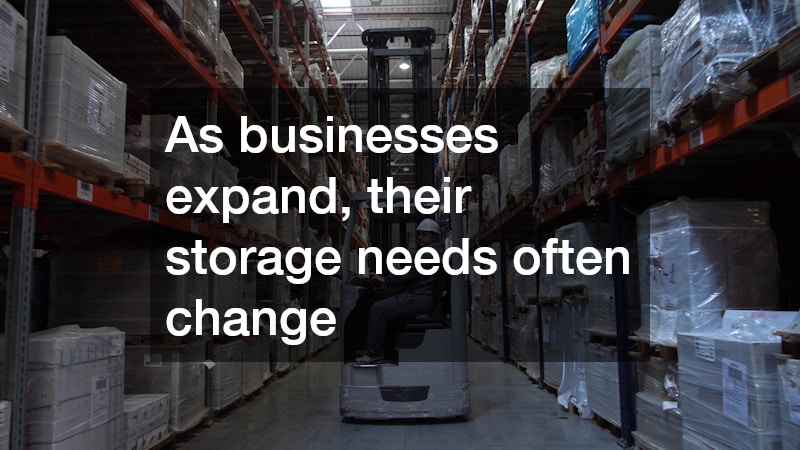
As businesses expand, their storage needs often change. A flexible storage system allows for adjustments without requiring a complete overhaul of the existing setup. Scalability is an important consideration when selecting a system, as it ensures that the infrastructure can adapt to increased demand.
Modular designs are particularly useful in this regard. They allow additional components to be added or reconfigured as needed, providing a cost-effective way to expand storage capacity. Planning for future growth during the initial design phase can save time and resources in the long run.
Selecting the right storage system is a critical decision that directly impacts warehouse efficiency, safety, and overall performance. From understanding different configurations to evaluating space utilization, load capacity, and safety requirements, each factor plays a role in creating an effective storage environment.
A well-chosen warehouse rack system supports smooth operations by improving accessibility, optimizing space, and maintaining structural integrity. It also contributes to a safer workplace by reducing risks associated with improper storage and handling practices. By taking the time to assess operational needs and future growth plans, businesses can implement a solution that aligns with both current demands and long-term objectives.