
The Complete Guide to Automotive, Industrial, and Commercial Services for Modern Businesses and Vehicle Owners

The Complete Guide to Automotive, Industrial, and Commercial Services for Modern Businesses and Vehicle Owners

Introduction

Modern businesses and vehicle owners operate in an environment where efficiency, safety, compliance, and cost control are tightly interconnected. A single overlooked maintenance issue can disrupt operations, damage customer trust, or lead to unexpected financial strain. Whether you manage a commercial facility, oversee a fleet of service vehicles, operate industrial equipment, or simply want to protect your personal investment, understanding how various service sectors work together is essential.

Automotive, industrial, and commercial services are no longer isolated specialties. Today’s successful operations integrate preventative maintenance, skilled labor development, equipment upgrades, and facility improvements into a cohesive strategy. From structural upgrades and mechanical reliability to property protection and transportation optimization, each component plays a role in sustaining productivity and profitability.

In an increasingly competitive market, businesses cannot afford reactive decision-making. Emergency repairs often cost significantly more than planned maintenance, and unexpected downtime can ripple through supply chains, client schedules, and employee productivity. A broken delivery truck might delay shipments. A malfunctioning production machine can halt an entire line. A neglected facility issue may trigger regulatory penalties. These scenarios highlight the importance of adopting a systems-based approach to asset management.

Proactive planning also improves budgeting accuracy. When maintenance schedules are predictable, financial forecasting becomes more reliable. Instead of scrambling to cover sudden repair expenses, organizations can allocate funds strategically, invest in gradual upgrades, and negotiate service contracts more effectively.

This comprehensive guide explores how to strengthen your business or vehicle ownership strategy through practical, actionable steps. You’ll learn how to develop skilled labor, maintain fleet vehicles, upgrade facilities, protect property assets, and evaluate service providers with confidence. The goal is simple: help you reduce risk, extend asset lifespan, and build a dependable operational foundation for long-term success.

Build Technical Expertise to Reduce Outsourcing Costs and Strengthen Operations

A highly skilled workforce is one of the most valuable assets any business can develop. While outsourcing specialized labor is sometimes necessary, relying too heavily on external contractors increases long-term costs and reduces operational flexibility.

One effective way to build internal expertise in fabrication and metalwork is by investing in a welding apprenticeship program. Structured trade development allows companies to train employees according to their specific operational standards while building loyalty and long-term retention.

Developing in-house capabilities also strengthens response times. When equipment fails or modifications are needed, waiting days for a contractor can stall progress. Internal technicians can address issues immediately, minimizing downtime and keeping projects on schedule. Over time, this agility becomes a competitive advantage.

Benefits of Developing In-House Trade Skills

  • Reduced dependency on third-party contractors

  • Faster turnaround for repairs and custom fabrication

  • Greater quality control

  • Improved workplace safety culture

  • Lower long-term labor costs

A structured welding apprenticeship provides progressive skill development. Apprentices learn safety protocols, blueprint reading, material handling, and advanced joining techniques under supervision. Over time, this creates a reliable internal resource for equipment repair, structural modifications, and facility improvements.

Additionally, internal training programs improve employee morale. Workers who see a clear path for advancement are more likely to remain with the organization. Reduced turnover lowers recruitment costs and preserves institutional knowledge.

Steps to Launch a Successful Training Program

  • Partner with local trade schools or workforce programs

  • Assign experienced mentors

  • Define measurable skill benchmarks

  • Establish safety certification milestones

  • Offer wage progression tied to performance

For industrial facilities, in-house welding capabilities are especially valuable when dealing with equipment supports, machinery frames, and structural reinforcements.

In addition to technical skills, businesses planning expansions or redesigns should seek professional architectural support early in the planning process. Skilled design collaboration ensures that layouts maximize workflow efficiency, comply with regulations, and accommodate future growth.

When to Seek Professional Design Guidance

  • Facility expansion or renovation

  • Workflow reorganization

  • Code compliance updates

  • Energy efficiency upgrades

Architectural support can prevent costly mistakes such as improper load calculations, inefficient traffic flow, or insufficient ventilation. By aligning skilled labor development with strategic design planning, businesses create stronger operational resilience.

Maintain Fleet Vehicles to Minimize Downtime and Extend Service Life

Maintain Fleet Vehicles to Minimize Downtime and Extend Service Life

For companies operating service fleets or heavy-duty trucks, vehicle reliability directly impacts profitability. Breakdowns result in lost revenue, missed appointments, and dissatisfied customers.

A proactive maintenance approach begins with sourcing high-quality auto parts from reputable suppliers. Inferior components often fail prematurely, leading to repeat repairs and increased downtime. Establishing long-term supplier relationships can also secure better pricing and priority access to critical components during shortages.

Smart Parts Management Strategies

  • Track high-wear components such as brakes and filters

  • Maintain emergency inventory for critical items

  • Compare OEM and aftermarket reliability

  • Record part lifespan for performance analysis

Data tracking plays a crucial role in fleet efficiency. By monitoring repair history and mileage intervals, managers can identify patterns and adjust maintenance schedules accordingly. Predictive maintenance reduces surprise failures and improves budgeting accuracy. Tracking the lifecycle of critical auto parts is essential

Fleet managers should also establish relationships with a qualified diesel truck mechanic who understands the demands of heavy-duty engines. Preventative inspections can detect early warning signs before a roadside breakdown occurs. Experienced technicians can also recommend performance upgrades or efficiency improvements tailored to specific operating conditions.

Warning Signs That Require Immediate Attention

  • Excessive exhaust smoke

  • Decreased fuel efficiency

  • Rough idling

  • Unusual engine noise

  • Transmission slipping

Routine inspections should include:

  • Oil and fluid analysis

  • Cooling system checks

  • Brake system evaluation

  • Suspension inspection

  • Battery testing

Creating a scheduled maintenance calendar with a fleet and diesel truck mechanic reduces reactive repairs. Businesses that log service intervals consistently experience lower lifetime vehicle costs and improved resale value. Beyond financial savings, consistent vehicle maintenance enhances safety for drivers and protects the company’s public reputation.

Upgrade Vehicles for Productivity, Safety, and Brand Visibility

Vehicles often serve as mobile workstations and brand ambassadors. Strategic upgrades can enhance functionality while improving employee efficiency.

Installing practical auto accessories transforms standard vehicles into purpose-built service units. These additions improve organization, protect cargo, and enhance safety.

Productivity-Enhancing Upgrades

  • Ladder racks for contractors

  • Cargo partitions

  • Tool storage systems

  • Protective bed liners

  • Towing enhancements

Customizations should prioritize functionality over aesthetics. Overloading electrical systems or exceeding weight capacity can create safety hazards.

For businesses that rely on communication and navigation systems, professional car audio services and auto accessories offer more than entertainment upgrades. Integrated systems can include hands-free communication, GPS tracking, and fleet coordination tools.

Benefits of Professional Installation

  • Proper wiring and load management

  • Warranty protection

  • Clean integration with dashboard systems

  • Enhanced safety compliance

Before making upgrades, evaluate vehicle electrical capacity to avoid strain on alternators or batteries. Proper planning ensures improvements enhance performance rather than compromise reliability.

Protect Facilities from Damage and Compliance Risks
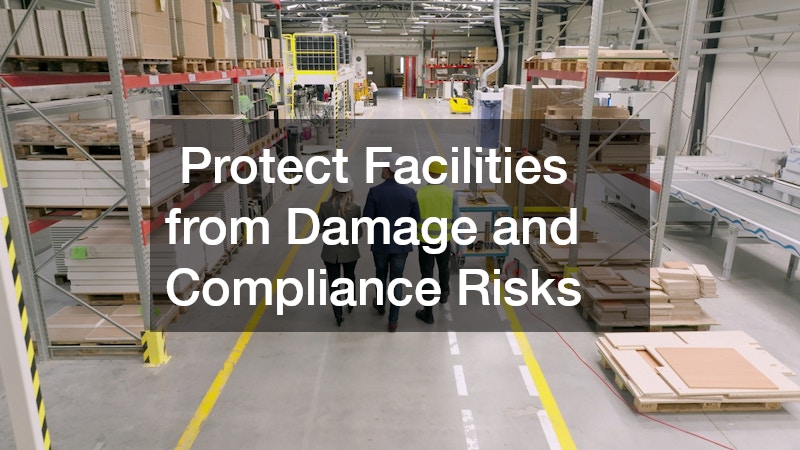
 Protect Facilities from Damage and Compliance Risks

Commercial and industrial properties face constant exposure to environmental threats, structural wear, and potential health risks. Preventative property care is essential for protecting both assets and occupants.

One critical aspect of facility protection is scheduling regular pest control services. Infestations can damage materials, contaminate products, and create health code violations.

High-Risk Areas for Infestations

  • Warehouses with stored inventory

  • Food preparation areas

  • Office kitchens and breakrooms

  • Exterior loading docks

Routine inspections help identify early warning signs such as droppings, nesting materials, or damaged packaging.

Proactive Prevention Strategies

  • Seal cracks and entry points

  • Maintain clean storage areas

  • Rotate inventory properly

  • Schedule quarterly inspections

Beyond pest management, maintaining structural appearance and protective coatings is equally important. Commercial painting services not only improve aesthetics but also protect surfaces from corrosion, moisture damage, and UV degradation.

Benefits of Professional Coatings

  • Extended building lifespan

  • Reduced maintenance costs

  • Enhanced brand image

  • Improved resistance to harsh weather

Surface preparation is crucial for long-lasting results. Cleaning, sanding, and priming ensure proper adhesion and durability.

Optimize Equipment Performance Through Fluid System Maintenance

Industrial equipment relies heavily on hydraulic power to operate efficiently. From manufacturing machinery to lifting systems, hydraulic components convert fluid pressure into mechanical force.

When neglected, hydraulic systems can suffer from leaks, contamination, and overheating.

Warning Signs of Hydraulic System Issues

  • Pressure drops

  • Slow or jerky movement

  • Excessive fluid temperature

  • Visible leaks

  • Unusual vibration

Preventative maintenance steps include:

  • Monitoring fluid levels

  • Replacing filters regularly

  • Inspecting hoses and seals

  • Testing system pressure

  • Scheduling fluid analysis

Contaminated hydraulic fluid accelerates wear on pumps and valves. Installing proper filtration systems and following manufacturer maintenance intervals significantly reduces failure risk.

Operators should also train staff to recognize early warning signs. Quick intervention prevents minor inefficiencies from escalating into catastrophic equipment breakdowns.

Improve Operational Efficiency with Smart Transportation Alternatives

Improve Operational Efficiency with Smart Transportation Alternatives

Not every transportation need requires a full-sized vehicle. For campuses, resorts, warehouses, distribution centers, and large commercial properties, compact utility vehicles can significantly improve mobility while reducing fuel and maintenance costs. In many cases, using oversized trucks for short, repetitive trips wastes fuel and accelerates wear and tear unnecessarily.

Evaluating golf carts sales for commercial use may reveal opportunities to streamline short-distance transportation. These compact vehicles are increasingly used in industrial parks, event venues, healthcare campuses, and hospitality environments to move personnel, equipment, and supplies efficiently.

Beyond basic mobility, modern utility vehicles can be customized to fit specific operational needs.

Advantages of Utility Vehicles

  • Lower operating costs

  • Reduced emissions (electric models)

  • Easier maneuverability

  • Minimal maintenance requirements

Because they are smaller and lighter than traditional vehicles, they place less strain on pavement and indoor flooring. This makes them ideal for warehouses and mixed indoor-outdoor environments.

When selecting models, consider:

  • Payload capacity

  • Terrain requirements

  • Charging infrastructure

  • Safety features

For example, properties with steep inclines may require higher torque models, while indoor facilities may prioritize zero-emission electric units. Some models include enclosed cabins for weather protection, integrated cargo beds, or passenger seating configurations.

Electric models offer quieter operation and lower long-term fuel expenses, while gas-powered units may provide greater range in remote areas without reliable charging access. Charging stations should be strategically placed to prevent operational delays.

You should also evaluate:

  • Total cost of ownership over five to ten years

  • Battery replacement intervals

  • Warranty coverage

  • Availability of service technicians

  • Resale value

Implementing compact transportation solutions enhances productivity by reducing travel time across large properties. Employees can move tools, documents, and materials quickly, allowing more time for core tasks. Over time, this operational efficiency translates into measurable cost savings and improved workflow coordination.

Develop an Integrated Preventative Maintenance Plan

Successful asset management requires coordination across automotive, industrial, and commercial systems. Rather than addressing issues individually, create a centralized maintenance strategy that connects all assets under one structured framework.

Fragmented maintenance efforts often lead to overlooked inspections, duplicate vendor visits, and inconsistent documentation. A unified plan ensures accountability and long-term cost control.

Key Elements of an Integrated Plan

  • Comprehensive asset inventory

  • Scheduled inspection intervals

  • Digital recordkeeping

  • Budget forecasting

  • Vendor contact database

Begin by cataloging every major asset, including vehicles, machinery, HVAC systems, roofing, plumbing, and electrical infrastructure. Assign each asset a maintenance frequency based on manufacturer recommendations and usage intensity.

Organizing tasks by season and priority ensures no system is overlooked. High-risk systems should receive more frequent inspections.

Sample Preventative Maintenance Categories

Monthly:

  • Inspect vehicles

  • Test safety equipment

  • Review fluid levels

Quarterly:

  • Facility inspections

  • Equipment calibration

  • Drainage system checks

Annual:

  • Structural assessment

  • Electrical evaluation

  • Major system servicing

To strengthen your plan, incorporate the following practices:

  • Assign responsibility to specific team members

  • Use cloud-based software for tracking

  • Attach invoices and inspection reports digitally

  • Conduct annual performance reviews of maintenance outcomes

Tracking service records supports warranty claims and identifies recurring issues. Patterns such as repeated part failures or recurring leaks can signal deeper systemic problems.

Digital tools simplify documentation and provide automated reminders. With centralized data, decision-makers can analyze trends, forecast capital improvements, and plan replacements before failure occurs.

An integrated preventative plan shifts the focus from emergency response to strategic management, improving reliability across every operational area.

Choose Service Providers Strategically to Maximize Value

Choose Service Providers Strategically to Maximize Value

Selecting the right contractor or service provider can significantly impact operational efficiency, safety, and long-term cost management. A poor choice may lead to recurring repairs, compliance issues, or hidden expenses.

Careful evaluation ensures that service providers align with your standards and expectations.

Questions to Ask Before Hiring

  • Are they licensed and insured?

  • What certifications do technicians hold?

  • Can they provide references?

  • Do they offer service guarantees?

  • Are maintenance contracts available?

Additionally, consider:

  • Response time for emergency calls

  • Availability of replacement parts

  • Communication protocols

  • Safety training documentation

  • Experience within your industry

Avoid selecting providers based solely on price. Low bids may indicate inferior materials, rushed labor, or limited experience. Instead, compare proposals holistically by evaluating scope, timeline, warranty, and long-term value.

Long-term service agreements often offer advantages:

  • Priority scheduling

  • Discounted rates

  • Consistent technician familiarity

  • Predictable budgeting

When technicians become familiar with your property or fleet, they can identify subtle changes that signal developing issues. This familiarity reduces diagnostic time and improves repair accuracy.

Establishing strong partnerships fosters accountability and reliability. Schedule periodic performance reviews with contractors to discuss service quality, response times, and potential improvements. A collaborative approach transforms vendors into strategic partners invested in your operational success.

Conclusion

Managing automotive, industrial, and commercial systems requires more than occasional repairs. It demands strategic planning, consistent maintenance, and collaboration with skilled professionals. By investing in workforce development, prioritizing preventative care, upgrading equipment thoughtfully, and protecting facilities proactively, businesses and vehicle owners create a strong foundation for long-term success.

An integrated approach reduces unexpected disruptions, controls costs, and improves safety across all operations. When maintenance becomes routine rather than reactive, assets last longer, productivity increases, and peace of mind follows.

Sustainable success depends on viewing every vehicle, machine, and building component as part of a larger system. Thoughtful planning, clear documentation, and strong service partnerships ensure that operations remain efficient even as demands evolve.

Whether overseeing a growing business, managing a fleet, or protecting personal investments, a structured and informed strategy ensures resilience in an increasingly complex operational landscape.


LET OTHERS KNOW:
Scroll to Top